 EP
EP Walking: The Most Underrated Exercise as the Years Add Up
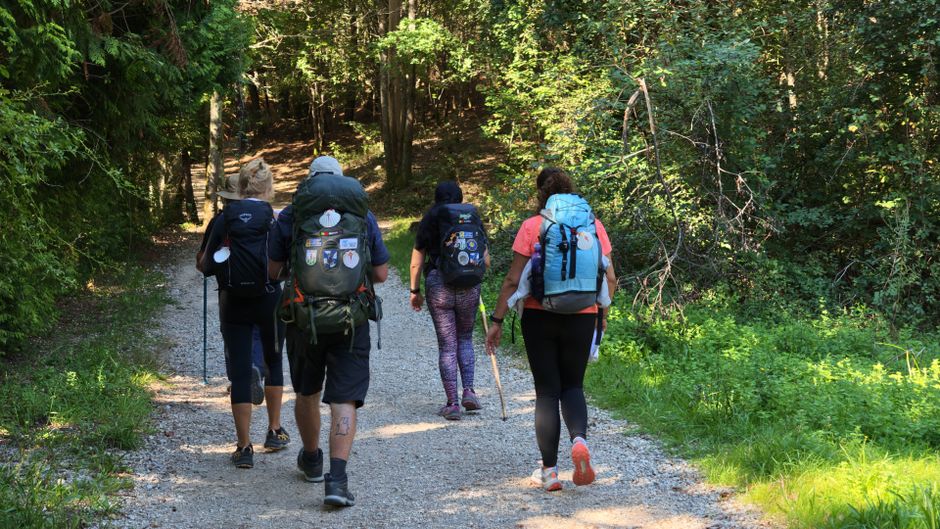
In midlife and beyond, walking: the most underrated exercise deserves a little more attention than it did at twenty-five. None of this is complicated, and none of it needs to be expensive. Here is a grounded, practical look at walking: the most underrated exercise that fits into a real, busy life.
Why it matters more now
In practice, the practical advantage is that walking absorbs into a day rather than competing with it. It combines with errands, phone calls, commuting, and company, needs no recovery, and can be done at almost any level of fitness. Very few forms of exercise survive a busy period as reliably.
It helps to focus on what you can realistically do most days, rather than an ideal you can only manage occasionally.
What changes with age
On a day-to-day level, what it does not do is load the muscles enough to preserve strength and bone as ageing continues. Walking plus two short sessions of resistance work covers both, and the resistance part is the one generally missing.
If you remember only one thing here, let it be that steady, repeatable habits beat short bursts of effort.
Adjusting your approach
Walking gets less attention than it deserves precisely because it is available to nearly everyone and requires nothing. It is nonetheless associated with lower risk across a wide range of outcomes, and the association is strongest at the lower end of activity, where the gains from moving slightly more are largest. MedlinePlus (National Institutes of Health) provides reliable, up-to-date information on this topic.
Protecting your energy
More often than not, the ten thousand steps figure began as a marketing slogan for a pedometer rather than as a finding. The research that followed suggests benefits accumulating well before that number, with much of the improvement appearing between very low counts and moderate ones, and diminishing returns beyond.
The goal is progress you can maintain, not perfection you have to chase and eventually abandon.
Staying strong and steady
Worth keeping in mind: pace adds something. Brisk walking, at a rate that makes conversation slightly effortful, appears to carry benefits beyond the same distance covered slowly. Adding a hill or a heavier bag increases the demand without changing the activity.
Give yourself room to be imperfect here; a missed day is an event, not a reason to give up.
Practical tips
A few simple things tend to help:
- Protect your sleep, since it quietly makes everything else easier.
- Start small and stay consistent rather than aiming for a dramatic change.
- Give any change a few weeks before judging whether it is helping.
- Ask for a little support from someone around you when you can.
The bottom line
Keep it simple, be patient with yourself, and let small changes add up. None of this needs to be perfect. A few steady habits, kept up over time, tend to do far more than any short-lived effort.
Frequently asked questions
How long before I notice a difference?
It varies from person to person. Give any new habit a few weeks of consistency before deciding whether it is working for you.
Is this suitable for busy people?
Yes. Most of the ideas here fold into things you already do each day, so they take little extra time.
What is the single most important thing to focus on?
Consistency. A modest routine you actually keep beats an ambitious plan you abandon after a week.
Do I need special equipment or money?
No. Most of what helps is free or low-cost, and the simplest options are usually the ones people stick with.